From AsianWiki
AsianWiki
170 Korean films and drama series from 1999 to 2026, chosen for the whole household.
Movies in the Spotlight
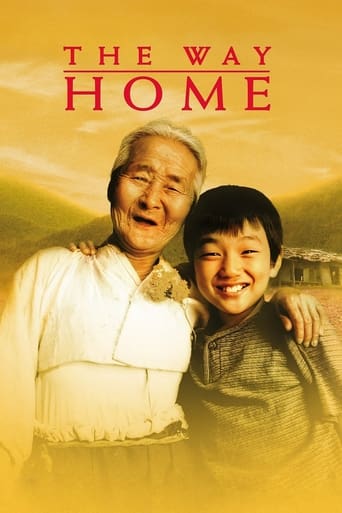
Movie: The Way Home
Starring: Kim Eul-boon, Yoo Seung-ho, Dong Hyo-hee
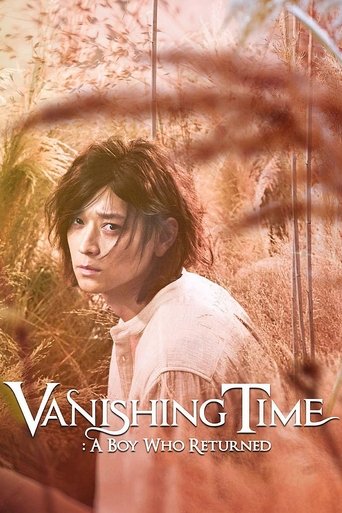
Movie: Vanishing Time: A Boy Who Returned
Starring: Gang Dong-won, Shin Eun-soo, Lee Hyo-je
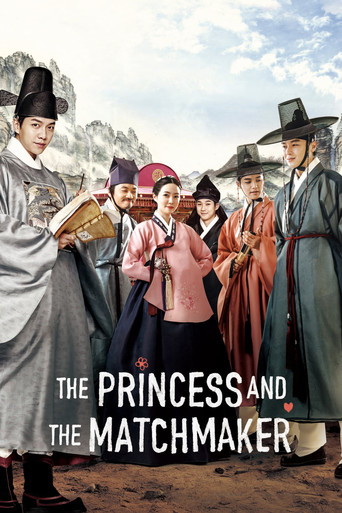
Movie: The Princess and the Matchmaker
Starring: Shim Eun-kyung, Lee Seung-gi, Kim Sang-kyung

Movie: Aloners
Starring: Gong Seung-yeon, Jeong Da-eun, Seo Hyun-woo
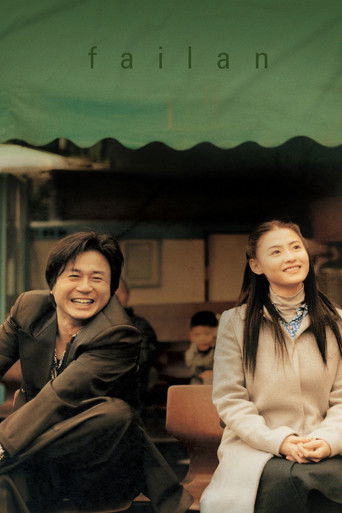
Movie: Failan
Starring: Choi Min-sik, Cecilia Cheung, Son Byung-ho
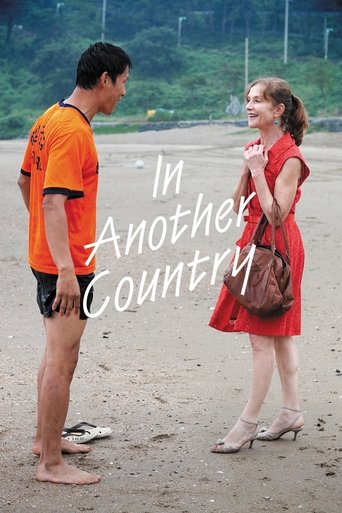
Movie: In Another Country
Starring: Isabelle Huppert, Yu Jun-sang, Jung Yu-mi
Most Viewed
Movies
- The Way Home (2002)
- Vanishing Time: A Boy Who Returned (2016)
- The Princess and the Matchmaker (2018)
- Aloners (2021)
- Failan (2001)
- In Another Country (2012)
- Hot Young Bloods (2014)
- Microhabitat (2018)
- Scandal Makers (2008)
- The Foul King (2000)
TV Dramas
- Lovestruck in the City (2020)
- About Time (2018)
- You're Beautiful (2009)
- Full House (2004)
- Cheese in the Trap (2016)
- The Fabulous (2022)
- My Girlfriend Is a Gumiho (2010)
- Thirty-Nine (2022)
- School 2017 (2017)
- So I Married an Anti-Fan (2021)
Recently Added
- Summertime (2026)
- Dream to You (2026)
- Wild Sing (2026)
- Filing for Love (2026)
- The Practical Guide to Love (2026)
- Positively Yours (2026)
- Once We Were Us (2025)
- Surely Tomorrow (2025)
- The World of Love (2025)
- Typhoon Family (2025)
South Korean TV Dramas in the Spotlight

Drama: Lovestruck in the City
Starring: Ji Chang-wook, Kim Ji-won, Kim Min-seok

Drama: About Time
Starring: Lee Sang-yun, Lee Sung-kyung, Im Se-mi
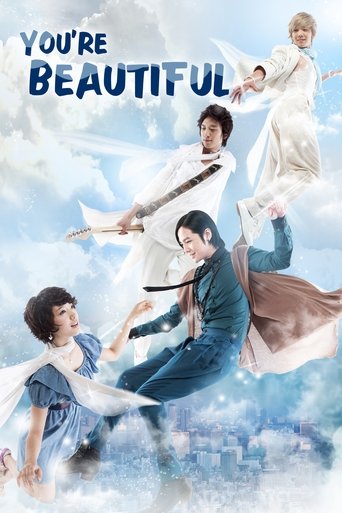
Drama: You're Beautiful
Starring: Jang Keun-suk, Park Shin-hye, Jung Yong-hwa

Drama: Full House
Starring: Song Hye-kyo, Rain, Han Da-gam

Drama: Cheese in the Trap
Starring: Park Hae-jin, Kim Go-eun, Seo Kang-joon

Drama: The Fabulous
Starring: Chae Soo-bin, Minho, Lee Sang-un
Recently Added
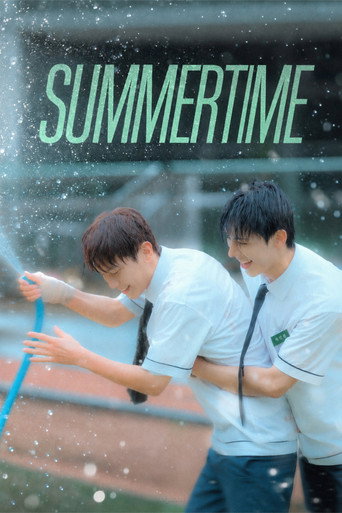
Drama: Summertime
Starring: Kim Do-min, Seong In-ho, Lim Young-min

Drama: Dream to You
Starring: Hwang In-youp, Lee Hye-ri, Baek Sung-chul

Movie: Wild Sing
Starring: Gang Dong-won, Um Tae-goo, Park Ji-hyun

Drama: Filing for Love
Starring: Shin Hae-sun, Gong Myoung, Kim Jae-uck

Drama: The Practical Guide to Love
Starring: Han Ji-min, Park Sung-hoon, Lee Gi-taek

Drama: Positively Yours
Starring: Choi Jin-hyuk, Oh Yeon-seo, Hong Jong-hyun
categories
categories
by year
- 2021 onwards (47)
- 2017 to 2020 (44)
- 2010 to 2016 (42)
- Before 2010 (37)
Korean films and dramas for the whole household: the AsianWiki guide
AsianWiki: Korean films and dramas, from The Way Home, Scandal Makers and Marathon to Stove League, Thirty-Nine, Full House and You're Beautiful
Thirty years ago hardly anyone outside Korea had seen a Korean film or television series. Today they are watched in every country, and the names of Korean actors are known to schoolchildren on five continents. The change began around the year 2000, when a new generation of directors, freed from old rules and backed by new money, began to make films of great energy and feeling, and when a handful of romantic television serials were sold abroad and found, to everyone's surprise, enormous audiences across Asia. AsianWiki is a guide to 170 Korean titles from those years to the present, 96 films and 74 drama series, each with its own entry, its story, its cast and a Watch now button that leads to the official services carrying it in your country.
The catalogue has been chosen for the whole household. Each title was read through by hand, and the selection favours comedies, romances, family stories, tales of sport and school, costume dramas and quiet films of everyday life. Crime thrillers, horror, war films, stories of revenge and titles made for adults were left out; those are the Korean films best known abroad, and they have guides of their own. What is collected here is the other half of Korean screen culture, the half that Koreans themselves watch with their parents and children.
This guide introduces the films first and the dramas second, then looks at particular subjects, sport, history, work and youth, and ends with plans for a first month. Each section links to a short help page, and the How to watch page sums up the simple steps from an entry to the official service.
How AsianWiki looks
AsianWiki keeps the look of the encyclopedia whose name it carries. The page is laid out like a reference work: a column at the left with a box of navigation links, a tab reading "page" above a white article area with a thin border, and the heading Main Page with the words From AsianWiki beneath it. The content is arranged in pale mint panels, each headed by a dark navy bar with white lettering.
Movies in the Spotlight shows six films as small posters, each with a caption in the manner of an encyclopedia entry: the title and the names of the three leading actors. Most Viewed gives three numbered lists of ten, for films, for dramas and for the newest additions. South Korean TV Dramas in the Spotlight and Recently Added follow, then a panel of categories, years and help pages, and this guide. On a telephone the left column folds into a menu button and the posters stand in a single column.
Names, titles and romanisation
An encyclopedia should begin with its conventions. Korean names are written here family name first, as in Korea: Song Kang-ho is Mr Song, and Park Bo-young is Miss Park. A small number of family names, Kim, Lee, Park, Choi and Jung, are shared by more than half the population, which is why given names matter and why two unrelated actors may share a surname. Given names usually have two syllables, joined with a hyphen.
Titles are a little harder. A Korean film or drama generally has an official English title, chosen by its makers, and a Korean title that may mean something quite different; admirers abroad often know a series by a third name, a literal translation. Each entry on AsianWiki lists the title in the Korean alphabet and the other names in use, and the search box recognises all of them. The Korean alphabet itself, hangul, has only twenty-four letters and can be learned in an afternoon, a pleasant project for anyone who finds they are watching a good deal of Korean television.
Dates follow the year of first release or first broadcast. A drama is counted in episodes; most have sixteen, older ones twenty or more, and the long weekend family serials fifty or a hundred.
The Way Home
The Way Home, from 2002, stands first in the list of most viewed films, and it is the ideal introduction to the gentle side of Korean cinema. Sang-woo is seven, a city boy with a hand-held game and a taste for fried chicken. His mother, looking for work, leaves him for the summer with his grandmother, a stranger to him, in a hut on a mountainside with neither running water nor a shop for miles. The old woman is bent double with age and has been silent all her life. The boy is furious. He calls her names, hides her shoes and demands chicken; she walks to market, trades vegetables for a hen, and boils it, which is the only way she knows.
The events are small, and by the end the viewer is undone. The grandmother was played by a woman of seventy-eight from the village where the film was shot, who was a stranger to the cinema herself, and the director dedicated the picture to all grandmothers. It was one of the most successful Korean films of its year, shown to schoolchildren across the country, and it can be watched by a child of six and a grandparent of ninety with equal pleasure. There is so little dialogue that the subtitles are hardly needed.
Films of the heart
The Movies help page divides the 96 films into those that move and those that amuse. Korean cinema has a particular gift for the first kind, films about ordinary people facing something hard with dignity. Marathon, from 2005, is based on the true story of a young man with autism who loves zebras, chocolate pies and running, and of the mother who has organised her whole life round him; when he decides to run a full marathon, she must ask herself whose wish it is. The leading actor's performance was celebrated, and the real runner finished his race in under three hours.
Keys to the Heart, from 2018, brings together a washed-up boxer, played by Lee Byung-hun, and the half-brother he has only just learned of, a young man with a developmental condition who can play any piece of piano music after hearing it once. Inseparable Bros, from 2019, also taken from life, is about two men who grew up in the same home, one with a quick mind and a body that refuses to obey him, the other strong and childlike, who have lived for twenty years as a single person. My Brilliant Life, My Lovely Angel, Cheer Up, Mr. Lee and A Man Who Was Superman, in which a television producer follows a man in a flowered shirt who believes he is a superhero and spends his days helping strangers, are others of the kind.
A Brand New Life, from 2009, is a small masterpiece. In 1975 a girl of nine, in her best dress, is taken by her father on a bus journey that ends at an orphanage run by nuns, where he leaves her. She is sure he will come back. The director, who was herself adopted from Korea by a French family at that age, tells the story with complete restraint, and the child actress carries the film. Take Care of My Cat, from 2001, follows five girls from the port of Incheon in the year after they leave school, as they drift apart and pass a kitten from one to another; it is loved for its truth about friendship at twenty.
Failan, from 2001, is a love story between two people who meet only once: a small-time loafer in Incheon who has lent his name for a paper marriage, and the young Chinese woman who came to Korea, worked in a laundry in a seaside town, and wrote him letters of thanks that he has only now read. Microhabitat, from 2018, is about a young housekeeper who, when the rent goes up, decides to keep her three pleasures and give up her room, and goes to stay with each of her old bandmates in turn. Aloners, Cart, about the women at the tills of a supermarket who stand up for their jobs, Juror 8, about the first trial by jury in Korea, and The Girl on a Bulldozer are thoughtful films of modern life.
Comedy
The Comedy category holds 85 titles, and the Comedy help page names the funniest. Scandal Makers, from 2008, was the surprise success of its year, seen by more than eight million people. A former pop idol, now a smug radio host in his thirties, opens his door to a young woman with a small boy and a suitcase, who announces that she is his daughter, the result of a schoolboy romance, and that the boy is his grandson. He hides them in his flat to protect his reputation; she turns out to sing better than he ever did; the grandson turns out to be a card sharp. It made a star of Park Bo-young, and it is a perfect family comedy.
The Foul King, from 2000, has the great Song Kang-ho as a timid bank clerk, bullied by his manager, who signs up at a shabby gymnasium to become a professional wrestler, and discovers that he is to play the villain who cheats. Dancing Queen is about a married couple with secret ambitions: he is asked to stand for mayor of Seoul just as she is offered a place in a pop group. Honest Candidate is about a politician who wakes one morning unable to tell a lie, The Plan Man about a librarian who lives by the clock, What Happened to Mr. Cha? about a fading star trapped in a collapsed gymnasium, and Penny Pinchers, Love Forecast, Cyrano Agency, The Bros, Switch and Slate are further pleasures.
On television, The Sound of Your Heart, from 2016, was made from a long-running comic about the cartoonist's own ridiculous family, in short episodes that were watched hundreds of millions of times online; The Sound of Your Heart: Reboot continued it. Modern Farmer sends a failed rock band to the country to grow cabbages. My Girlfriend Is a Gumiho, from 2010, releases a nine-tailed fox of legend, who has taken the form of a girl with a great love of beef, into the life of a cowardly drama student. YG Future Strategy Office and So I Married an Anti-Fan laugh at the business of pop music.
The classic dramas
The TV dramas help page introduces the 74 series, and the place to begin is with the serials that made the reputation of Korean television across Asia. Full House, from 2004, is the model of the Korean romantic comedy. A cheerful writer of online stories returns from a holiday to find that her friends have sold her house, the house her father built, to a famous and bad-tempered actor. To stay under its roof she agrees to work as his housekeeper, and then, to make another woman jealous, to marry him on a contract for six months. The singer Rain and the actress Song Hye-kyo played the couple, and the series was shown in dozens of countries.
My Girl, from 2005, is about a quick-witted tour guide who agrees to pose as the long-lost granddaughter of a dying hotel owner. Brilliant Legacy, from 2009, in which an old lady leaves her food company to a penniless girl who was kind to her, was watched by nearly half the households in the country. You're Beautiful, from the same year, sends a novice from a convent to take her twin brother's place in a boy band for a month, with three band-mates who each notice something odd; it was a sensation in Japan and beyond. I Need Romance, Angel Eyes, High School King of Savvy, in which a schoolboy ice-hockey player must impersonate his elder brother at an office, Hyde, Jekyll, Me and Beautiful Gong Shim carried the form through the next decade.
The weekend family serial is a Korean institution. Shown on Saturday and Sunday evenings for six months at a time, these long stories of three generations under one roof are what grandparents, parents and children watch together. What Happens to My Family?, from 2014, in which a widowed father who runs a tofu shop takes his three selfish grown children to court to teach them a lesson, is the best-loved of recent years. You Are The Best, The Gentlemen of Wolgyesu Tailor Shop, Mother of Mine, Once Again and The Real Has Come! belong to the same tradition, and My Unfamiliar Family, from 2020, is a shorter and sharper modern version, about grown children who realise how little they know of their parents.
Stove League and the dramas of work
Stove League, which began in 2019, is one of the best-rated series on AsianWiki, and it is about baseball in the months between seasons, when the grounds are empty. The Dreams have finished last in the league for four years. A new general manager is appointed, a calm, blunt man who has taken a handball team, a wrestling team and an ice-hockey team to championships and who is a complete stranger to baseball. Through sixteen episodes he trades the star player, challenges the scouts, argues over salaries and slowly turns a comfortable failure of a club into a team that wants to win.
There is hardly a romance in it and very little play on the field; the drama is all in meeting rooms, and it is gripping. The series won the chief television prize of its year and was praised by people who work in real sport. It is also an excellent picture of how a Korean organisation functions, with its ranks, its loyalties and its suppers after work.
The Workplace category holds 50 titles, and the Workplace help page lists them. Agency, from 2023, follows the first woman to become an executive at a great advertising firm. Samjin Company English Class, a film of 2020 set in 1995, is about three young women clerks, who make the coffee and tidy the desks, and who discover that their company is doing something it ought to hide. RACE, The Art of Negotiation, Good Partner, set in a law firm, Heart Surgeons, Fix You, about a psychiatrist who heals in unorthodox ways, H.U.S.H., set in a newspaper office, Monthly Magazine Home, Typhoon Family, about a small trading company in the financial storm of 1997, and Strongest Deliveryman are others.
Sport
The Sport category holds 20 titles, and the Sport help page arranges them by game. Korean film-makers love a true story of an unlikely team. Take Off, from 2009, tells how, in 1996, a bid to host the Winter Olympics required the country to have a ski-jumping team, and how five young men with scant knowledge of the sport, among them a waiter, a nightclub worker and an adopted Korean American searching for his mother, were assembled to form one, trained on a roller coaster track, and reached the Olympic Games. It was one of the great successes of its year.
The Himalayas, from 2015, is about the celebrated mountaineer Um Hong-gil, who led an expedition up Everest with a single purpose, to bring home the body of a young friend, and it treats its subject with great respect. Crying Fist, from 2005, follows two boxers who have each reached the bottom, a former silver medallist of forty who lets passers-by hit him for money and a teenager learning to box in a reformatory, towards the amateur final in which they will meet; the audience is made to care for both. Marathon, Keys to the Heart, Punch and The Kick also belong here.
On television, Racket Boys, from 2021, is a delight for all ages: a badminton coach from the city takes a job at a middle school in a farming village at the southern tip of the country, where the team has four boys, one shuttlecock machine and a great deal of spirit. The Winning Try, from 2025, does the same for rugby at a high school.
Romance
The Romance category holds 86 titles, and the Romance help page picks out the best. The Korean film romance of the early 2000s had a recognisable manner: a first love remembered years later, rain, bicycles, letters, and an ending that sends the audience home with wet eyes. Ditto, from 2000, is a lovely example with a fantastic touch: a student in 1979 and a student in 2000, at the same university, find that they can talk to each other across twenty-one years on an old amateur radio. It was remade in 2022 as Ditto, with the years moved forward.
The Harmonium in My Memory, from 1999, is set in a village school in 1962, where a girl of seventeen in the top class loses her heart to the new teacher, who is twenty-one. Bungee Jumping of Their Own, ...ing, Someone Special, Sad Movie, which tells four stories of parting, A Millionaire's First Love, More Than Blue, Heaven's Postman and Unforgettable, set on an island in the summer of 1991, belong to this tearful and much-loved school.
The romantic comedies are brisker. My Tutor Friend, from 2003, pairs a hard-up university student with a rich, idle pupil of her own age who has repeated his final year twice. Finding Mr. Destiny, from 2010, is about a man who founds an agency for tracing first loves and a client who knows only that hers was called Kim Jong-wook and that they met in India. Cyrano Agency is about a company that stage-manages courtships for the tongue-tied. Steal My Heart, How to Use Guys with Secret Tips, Very Ordinary Couple, My Love, My Bride, Crazy Romance, The Princess and the Matchmaker, set at the Joseon court, Josée, New Year Blues, A Time to Remember and Once We Were Us bring the list to the present.
Among the dramas, Thirty-Nine, from 2022, is a romance of another kind, between friends. Three women who met at eighteen are now a year from forty: a dermatologist, an acting teacher and a manager at a cosmetics counter. They eat, drink and bicker together as they always have, until one of them receives news that changes the time they have left. The series is about how friends look after one another, it is very funny as well as sad, and it has one of the highest ratings in the catalogue. Lovestruck in the City, About Time, Chocolate, Tomorrow with You, Do Do Sol Sol La La Sol, Love Your Enemy, What Comes After Love, Our Movie and The Light in Your Eyes, in which a young woman with a magic watch suddenly finds herself seventy, are others.
History
The History category holds 39 titles, and the History help page lists them by period. The Book of Fish, from 2021, is among the most beautiful Korean films of recent years. In 1801 a scholar of the royal court is exiled for his beliefs to a remote island in the south-western sea. There he meets a young fisherman who can read a little and longs to learn more. The scholar, who has spent his life on philosophy, decides to write a book about the one thing the islanders truly know, the creatures of the sea, and the two strike a bargain: knowledge of fish in exchange for knowledge of books. The film is photographed in black and white like an ink painting, and it is based on a real encyclopedia that survives.
Chihwaseon, from 2002, is the life of a wild and gifted painter of the nineteenth century, born a beggar, who became the most celebrated artist of his age; its director won the prize for direction at Cannes. The Royal Tailor sets two tailors at the Joseon court against each other, one a master of tradition and one a young genius of fashion. Seondal: The Man Who Sells the River is a comedy about a legendary trickster, Love, Lies is set among the singers of the 1940s, and MAL·MO·E: The Secret Mission tells how a group of scholars and an unlettered father secretly compiled the first dictionary of the Korean language at a time when the language itself was forbidden in schools.
The President's Barber, from 2004, looks at the 1960s and 1970s through a simple man who cuts the hair of the head of state, and Kingmaker at the election campaigns of the same years. On television, The King's Doctor, from 2012, follows a horse doctor of low birth who rises to become physician to the king, in fifty episodes by a famous maker of costume serials. The Queen Who Crowns, The Tale of Lady Ok, about a runaway servant who lives under a noblewoman's name and becomes a skilled advocate, The Matchmakers, My Sassy Girl, The Emperor: Owner of the Mask and Princess Ja Myung are others in silk and horsehair hats.
Youth
The Youth category holds 48 titles, and the Youth help page sorts them. Punch, from 2011, is the best Korean film about school. Wan-deuk is eighteen, poor, quick with his fists and convinced that his form teacher, who lives on the rooftop opposite and shouts his name across the gap at all hours, exists to torment him. He prays in the local church for the teacher's removal. The teacher, it turns out, is the best friend the boy has, and the film shows, with a great deal of laughter, how a stubborn adult can turn a life round.
Hot Young Bloods, set in a country high school in 1982, is a comedy of school gangs, love letters and trains. Hello, Schoolgirl, Romance of Their Own, Cheese in the Trap, the film of 2018, and Cheese in the Trap, the drama of 2016, both from a popular online comic about a hard-working student and a senior who is more complicated than he seems, are stories of campus life. At Eighteen, School 2017, Imitation, about young pop performers, THE [email protected] and 20th Century Boy and Girl are their counterparts on television.
Hong Sang-soo
The Hong Sang-soo category holds twelve films, and the Hong Sang-soo help page suggests an order. Hong is the most individual director in Korea and one of the most admired at the festivals of Europe, where he has won prize after prize. He makes one or two films a year, quickly and for very little money, with a few actors, a few locations and a script written each morning. His people are film-makers, teachers, poets and students; they meet in cafés and small restaurants, talk, drink, say more than they meant, and part.
The films are short, usually under an hour and a half, and they play games with time: a story may be told twice with small differences, or its scenes may arrive in shuffled order. In Another Country, from 2012, has the French actress Isabelle Huppert as three different visitors to the same seaside guesthouse. The Day He Arrives, in black and white, follows a director through what may be one snowy evening repeated several times. Hill of Freedom is told through a bundle of letters dropped on the stairs and read out of order. Our Sunhi, Oki's Movie, Like You Know It All, Yourself and Yours, The Day After, The Novelist's Film, In Front of Your Face, Walk Up and A Traveler's Needs complete the dozen.
They are films for adults in the sense that they are about adult conversation, and children will find them slow; a patient viewer will find them funny, exact and oddly restful. A good plan is to begin with In Another Country, which is the lightest, and to watch a second within the week, since the films echo one another.
Family
The Family category holds 56 titles, and the Family help page chooses those for several generations. Besides The Way Home, A Brand New Life, Scandal Makers and the weekend serials, it offers Vanishing Time: A Boy Who Returned, a fantasy about a girl whose friend disappears in the hills and comes back a few days later as a grown man, claiming that time stopped for everyone but him; Because I Love You; The Magician; Bad Papa; Romance in the House; and The World of Love, from 2025.
Respect for parents is the thread that runs through all of them. In a Korean story the grown son who neglects his mother is on the way to a lesson, the daughter-in-law and mother-in-law must find a way to share a kitchen, and the family meal, with its many small dishes set out in the middle of a low table, is where quarrels are both started and mended. Viewers from South Asia, the Middle East and the Mediterranean often remark how familiar it all seems.
Year by year
Four lists arrange the catalogue by date, and the Year by year help page describes them. Before 2010 holds 37 titles, and the Before 2010 help page introduces them. These are the works of the first wave: The Harmonium in My Memory, The Foul King, Ditto, Take Care of My Cat, Failan, The Way Home, Chihwaseon, My Tutor Friend, Full House, The President's Barber, Marathon, Crying Fist, My Girl, Scandal Makers, A Brand New Life, Take Off, Brilliant Legacy and You're Beautiful.
2010 to 2016 holds 42: Cyrano Agency, My Girlfriend Is a Gumiho, Punch, Dancing Queen, The King's Doctor, Hot Young Bloods, Cart, What Happens to My Family?, The Himalayas, Vanishing Time: A Boy Who Returned and The Sound of Your Heart. 2017 to 2020 holds 44, among them Keys to the Heart, Microhabitat, Inseparable Bros, MAL·MO·E: The Secret Mission, Stove League, The Light in Your Eyes, Samjin Company English Class and My Unfamiliar Family.
2021 onwards is the largest list, with 47: The Book of Fish, Racket Boys, Aloners, Thirty-Nine, Agency, Good Partner, The Tale of Lady Ok, Typhoon Family, The Winning Try and the releases of 2026, which the Recently Added panel on the Main Page shows first. The Top rated category gathers the 50 titles rated 7.5 or more out of ten by viewers. The Drama category, the broadest of all, holds 140.
People to know
A reference work should name names. Song Kang-ho, the wrestler of The Foul King and the barber of The President's Barber, is the most admired Korean film actor of his generation. Hwang Jung-min, who can play a saint or a clown, leads A Man Who Was Superman, Dancing Queen, The Himalayas and the television drama H.U.S.H.. Lee Byung-hun is the young teacher of The Harmonium in My Memory and the boxer of Keys to the Heart, nineteen years apart. Choi Min-sik gives two of his gentlest performances in Failan and Crying Fist.
Park Bo-young, a teenager in Scandal Makers, grew into one of the best-loved actresses on television. Kim Hye-ja, who has played mothers and grandmothers for sixty years, is unforgettable in The Light in Your Eyes. Namkoong Min is the manager of Stove League, Son Ye-jin the doctor of Thirty-Nine, and Lee Seung-gi the hero of both Brilliant Legacy and My Girlfriend Is a Gumiho. Among directors, besides Hong Sang-soo, Lee Joon-ik made The Book of Fish, Kim Jee-woon The Foul King, Ryoo Seung-wan Crying Fist, and the veteran Im Kwon-taek, the father of modern Korean cinema, Chihwaseon.
A map of Korea in film
The country is small, about the size of Portugal, and its films cover every corner of it. Seoul, the capital, where a fifth of the population lives, is the setting of most dramas: the palaces and tiled roofs of the old centre in the costume serials, the towers south of the river in stories of business, the narrow hillside lanes where students and struggling families rent a room. Incheon, the port to the west, with its docks and its old Chinese quarter, is the home of Take Care of My Cat and Failan.
The mountains of the east, snowy in winter, are where Take Off trains its ski jumpers and where the grandmother of The Way Home lives. The south-western coast, a maze of two thousand islands and wide mudflats, is the country of The Book of Fish and of the badminton players of Racket Boys, and its people are famous for their cooking and their dialect. The south-east has the second city, Busan, with its beaches, fish market and film festival, the largest in Asia. And the far south has Jeju, the volcanic holiday island.
Many filming places welcome visitors, and tourist offices publish guides to them. For those who travel only by screen, the entries on AsianWiki note where each story is set, and a household that watches a dozen titles from different regions will have made a fair tour of the peninsula, in every season: the pink of April, the heavy rains of July, the red maples of October and the deep snow of January.
Stories told twice
A sign of the strength of these stories is how often they are retold. Ditto was remade in Korea after twenty-two years. Marathon and Scandal Makers have been remade in other countries, the second in half a dozen languages, and Full House and You're Beautiful were given new versions in Thailand, Japan, China and elsewhere. In the other direction, Josée retells a Japanese novel, My Sassy Girl turns a famous modern film comedy into a costume drama, and Cheese in the Trap and The Sound of Your Heart come from online comics read by millions on their telephones.
Comparing two versions of one story is an enjoyable exercise for a family or a class: which keeps the better ending, which leading pair is more convincing, what each country changes to suit its own manners. The entries note such connections where they exist.
Things worth knowing
A little background makes these films and dramas richer. Korean has several levels of politeness built into its grammar, and the choice of level says at once who is older, who is senior and how close two people are. Subtitles can only hint at it, but the ear soon catches the moment when a couple drop the formal endings, which in a romance matters as much as a kiss. People address each other by role more than by name: older brother, older sister, senior, teacher, manager, and the owner of any small restaurant is "auntie".
Education is taken with great seriousness, and the university entrance examination each November, for which aeroplanes are grounded during the listening test, shadows every story of school. Military service of about eighteen months is required of young men, which is why a boyfriend in a drama may vanish for a year and a half. And the generation that grew up poor after the war, the grandparents of The Way Home and the weekend serials, is honoured in these stories in a way that younger viewers elsewhere may find striking.
Food is everywhere. Characters make up over grilled pork wrapped in lettuce, celebrate with fried chicken, eat seaweed soup on birthdays and black-bean noodles on moving day, and fill one another's glasses, each pouring for the other and turning aside to sip in front of an elder. A bowl of instant noodles shared at midnight is, by long tradition, the beginning of a love story.
Finding a title
The Finding titles help page explains the several ways to find an entry on AsianWiki. The search box at the top accepts a title and shows matches as you type; it recognises the Korean title and the other English names as well as the official one. The categories panel on the Main Page lists each category and each period with its number of titles, the A-Z page lists all 170 alphabetically with their years, and the Movies and TV Dramas pages list each kind by popularity.
Two pairs share a name. Ditto is both a film of 2000 and its remake of 2022, and Cheese in the Trap is both a drama of 2016 and a film of 2018; the year and the label, Movie or Drama, on each entry tell them apart. Titles beginning with The or A are filed under the next word, and titles that begin with a figure or a symbol, such as ...ing and 20th Century Boy and Girl, come before the letter A.
What an entry shows
Each entry follows the plan of an encyclopedia article. It opens with the poster, the title in English and in the Korean alphabet, the year, the running time or number of episodes, and the average rating. A short account of the story comes next, then the genres, the director or writers, the leading cast, and for a series the list of episodes; a row of related titles from the same categories closes the page. The Watch now button opens the list of official services that offer the title in the country you choose.
Korean films and dramas are among the best served of all on official services. The international streaming services compete for new series and hold large libraries of older ones; services that specialise in Asian drama offer many more, some free with advertisements; the Korean broadcasters place classic series with subtitles on their official video channels; and the Korean Film Archive has made a number of restored classic films freely available. Subtitles in English are nearly universal, and a dozen other languages are common. What each service holds changes from month to month, so the list on each entry is the place to look.
The Add to My List button on each entry notes a title for later. The list is kept by the browser on your own device, with neither a registration nor a password, and it opens from the My List link in the left column. The My List help page explains how to remove a title and how to copy the list to another device.
A first month
Here is a plan for a household new to Korean films and dramas. In the first week, watch two films: The Way Home with the whole family, and Scandal Makers for laughter. In the second, begin a classic drama, Full House or You're Beautiful, at two episodes an evening. In the third, watch Marathon and The Foul King, and carry on with the drama. In the fourth, finish it, and watch The Book of Fish on a quiet evening.
In the second month, choose according to taste. Those who like sport should go on to Stove League and Take Off; those who like history, to The King's Doctor and Chihwaseon; those with teenagers, to Punch, Racket Boys and At Eighteen; those who want to laugh, to The Sound of Your Heart and Dancing Queen; and those who want to be moved, to Thirty-Nine, Keys to the Heart and A Brand New Life. A viewer curious about the art of film might end with In Another Country and Take Care of My Cat.
Why these stories travel
People often ask why films and serials from a country of fifty million, in a language spoken almost nowhere else, should be loved from Jakarta to Lagos to São Paulo. Part of the answer is craft: Korean screenwriters are trained to hold an audience, and their stories waste very little. Part is feeling. These works are unembarrassed by emotion; they let a father weep, a friend say what she means, a grandmother be thanked, and many viewers find in them something that the cooler entertainment of their own countries has ceased to offer.
And part is that the stories are about things everyone knows: the wish of parents for their children, the struggle to make a living, the first job, the first love, the ache of leaving a village for a city. The details are Korean, the low tables, the convenience stores, the bows; the substance is universal. That is why a film as local as The Way Home, made in one mountain hamlet with one old woman, could be understood at once on the other side of the world.
How the titles were chosen
Every title on AsianWiki was considered by a person before it was admitted. The selection keeps to comedies, romances, family stories, tales of sport, school and work, costume dramas and quiet films of everyday life; titles built on crime, horror, war, revenge or adult themes were set aside, however celebrated, and the long daily serials were left out as well. Some of the dramas deal with illness, loss or hardship, as honest stories do, and each entry describes its story plainly so that parents can judge.
AsianWiki is a guide. It keeps neither films nor episodes nor files to download; every Watch now button opens an official, licensed service, where the subtitles are prepared by professional translators and the people who made these works are paid when you watch.
Questions and answers
Questions
What is AsianWiki?
AsianWiki is a guide to 170 Korean titles, 96 films and 74 drama series, chosen for the whole household. Each entry gives the story, year, cast and episodes, and a Watch now button that leads to the official services carrying the title in your country.
Which title should I watch first?
Start with The Way Home, Scandal Makers or Full House. The first-month plan in the guide suggests an order.
Is the catalogue suitable for families?
Yes. Every title was screened by hand, and the selection keeps to comedies, romances, family stories, sport, school, work and costume dramas.
Are the films and dramas available with English subtitles?
Nearly all official services offer English subtitles, and many offer several other languages. The services listed on each entry show what they provide.
Why are there two entries called Ditto?
One is a film of 2000 and the other its remake of 2022. Cheese in the Trap also appears twice, as a drama of 2016 and a film of 2018.
Who is Hong Sang-soo?
He is a Korean director known for short, talkative, inventive films about everyday meetings. Twelve of them have a category of their own.
How does My List work?
Press Add to My List on any entry. The list is kept by your own browser, free of charge, and the My List link in the left column opens it.
Does AsianWiki host films or downloads?
AsianWiki is a guide only. Every Watch now button leads to an official, licensed service.
